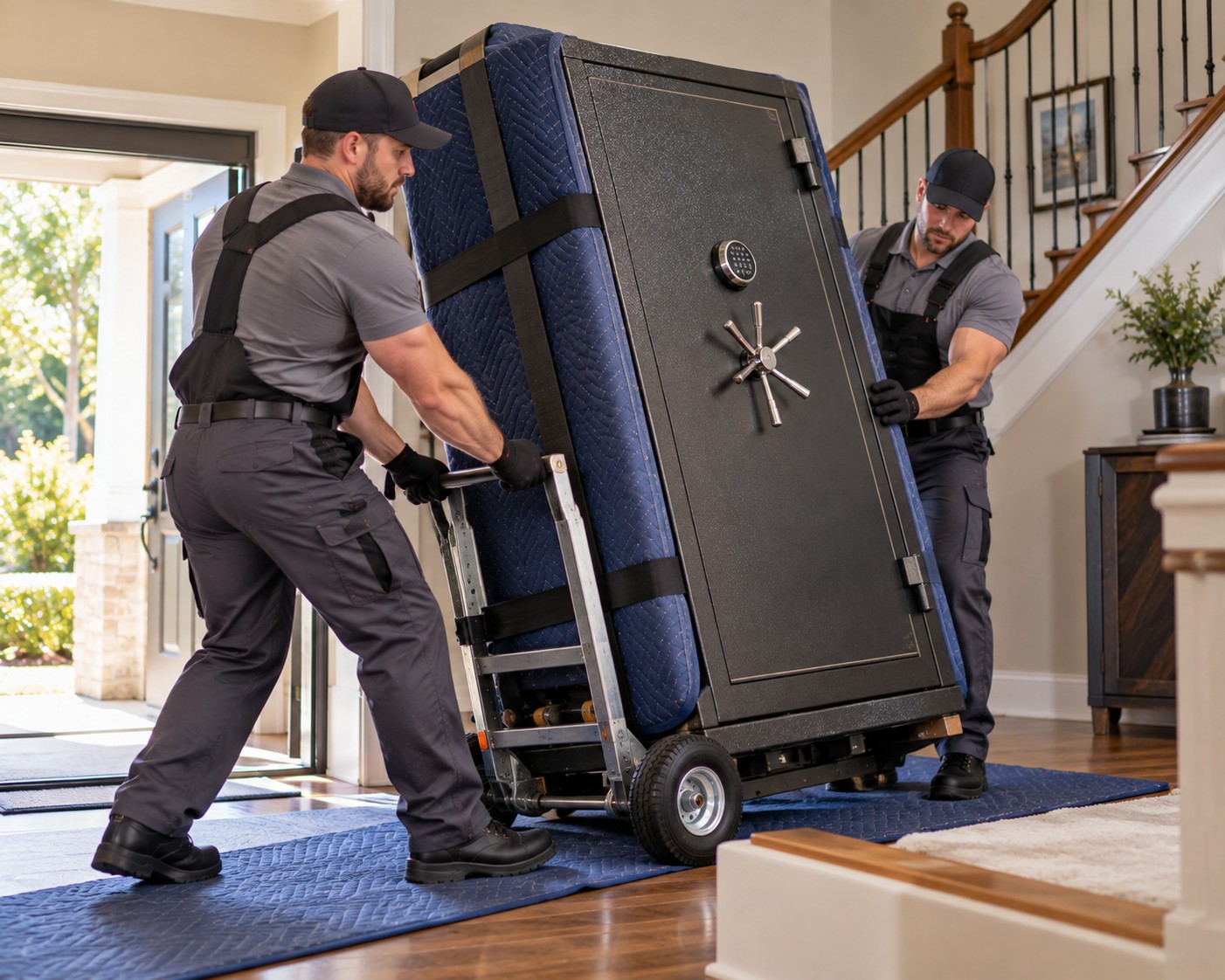
Moving a Gun Safe Without the Guesswork: A Specialty Relocation Guide
A gun safe can be one of the most difficult objects to move during a home relocation. Its considerable weight, rigid construction, awkward dimensions, and sensitive locking mechanism create challenges that ordinary household moving equipment may not be designed to handle. Stairs, narrow hallways, uneven floors, and tight doorways can make the process even more demanding.
For homeowners preparing for this type of relocation, the priority should be controlled handling rather than speed. Pro Movers and Storage, available through https://promoversandstorage.com/, can help coordinate specialty moving requirements so that a heavy safe is treated as a serious piece of equipment rather than ordinary furniture.
Start With the Safe and the Building
Before moving day, inspect both the safe and the route it must travel. Determine its approximate dimensions, weight, door configuration, and whether removable components can reduce the overall load.
Examine Every Part of the Route
Do not measure only the front doorway. Consider:
- Interior doorways and corridors
- Staircase width and landings
- Floor transitions
- Elevator dimensions and weight limits
- Garage or exterior access
- Driveway and loading space
A route that looks straightforward on paper can become complicated at a sharp corner or narrow landing. Measuring in advance allows the moving team to plan equipment and positioning rather than discovering an obstacle during the relocation.
Address Firearm Safety Before the Move
The safe itself and any firearms stored inside it should be treated as separate considerations. Before moving a safe containing firearms, owners should follow applicable federal, state, and local requirements and use appropriate secure storage practices.
The ATF advises that firearms be unloaded before storage and that ammunition be kept securely away from firearms. It also emphasizes following applicable federal, state, and local laws concerning possession, storage, and transportation.
The safest approach is to avoid asking movers to handle firearms themselves. The owner or another legally authorized person should make appropriate arrangements for the firearms before the safe is relocated.
Prepare the Safe for Physical Movement
Once the contents have been addressed, the safe can be evaluated as a heavy specialty item. Shelves, removable drawers, interior organizers, and other detachable components may sometimes be removed to reduce weight.
Do not attempt modifications that could interfere with the locking mechanism or structural integrity of the safe. Keep removed components together and protect them from damage.
For information about specialized moving support for unusually heavy household items, https://promoversandstorage.com/services/heavy-specialty-item-movers can be reviewed as part of the planning process.
Protect Floors, Walls, and Doorways
A safe can cause substantial property damage if it shifts unexpectedly. Hardwood floors, tile, thresholds, drywall, and doorframes may all need protection during the move.
Plan Controlled Movement
Professional specialty movers may use heavy-duty dollies, lifting equipment, straps, ramps, protective padding, and other appropriate tools. The specific equipment depends on the safe, property layout, and access conditions.
The objective is not simply to get the safe outside. It is to maintain control while navigating every transition point. Rushing a heavy object through a doorway can create unnecessary risks for both the property and the people involved.
Think Carefully About the Destination
The new location should be evaluated before the safe arrives. Decide where it will ultimately stand and confirm that the floor can accommodate the load.
A level, stable location is important. Avoid placing the safe where doors cannot open fully or where future access would require moving other heavy furniture. If the safe is intended to remain permanently in position, consider its relationship to walls, flooring, and surrounding storage.
Pro Movers and Storage can help coordinate the placement stage as part of a broader specialty relocation, allowing the safe to be positioned deliberately rather than temporarily dropped wherever space is available.
Keep Transportation Secure
If the safe is being transported as part of a larger move, it should be secured against shifting during transit. The owner should also understand any applicable laws concerning firearms and ammunition during transportation. Federal rules can interact with state and local requirements, and interstate transportation has specific legal considerations.
For that reason, legal requirements should be confirmed for both the origin and destination before moving day.
A gun safe deserves a different approach from ordinary household furniture. Careful measurements, property protection, appropriate equipment, and advance attention to firearm storage and transportation requirements can make the relocation considerably more controlled. With professional specialty movers handling the physical challenge, homeowners can concentrate on ensuring that the contents and the new location are prepared properly.











Post Comment